Supplement Reviews That Help You Choose Better.
In-depth product reviews, ingredient evidence, comparisons, safety context and transparent buyer guides — built to help you research before you purchase.
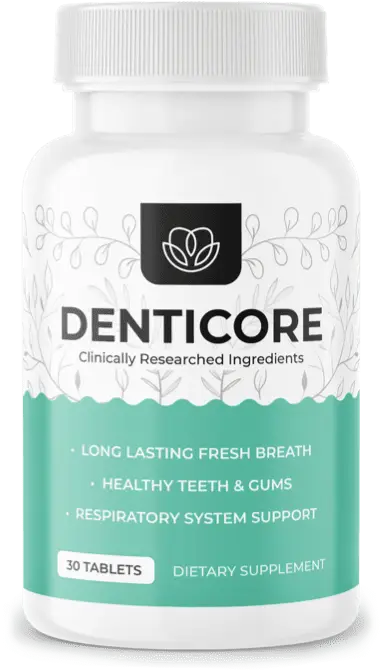 DentiCore
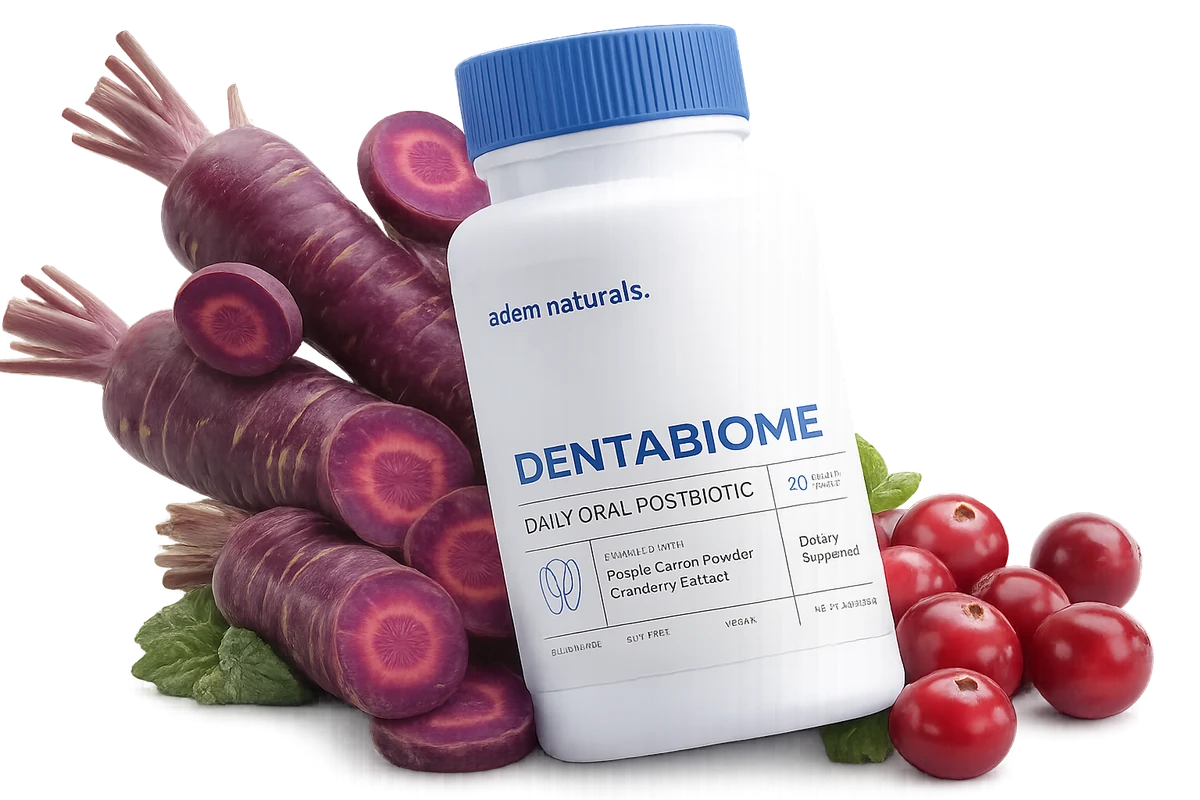 DentaBiome
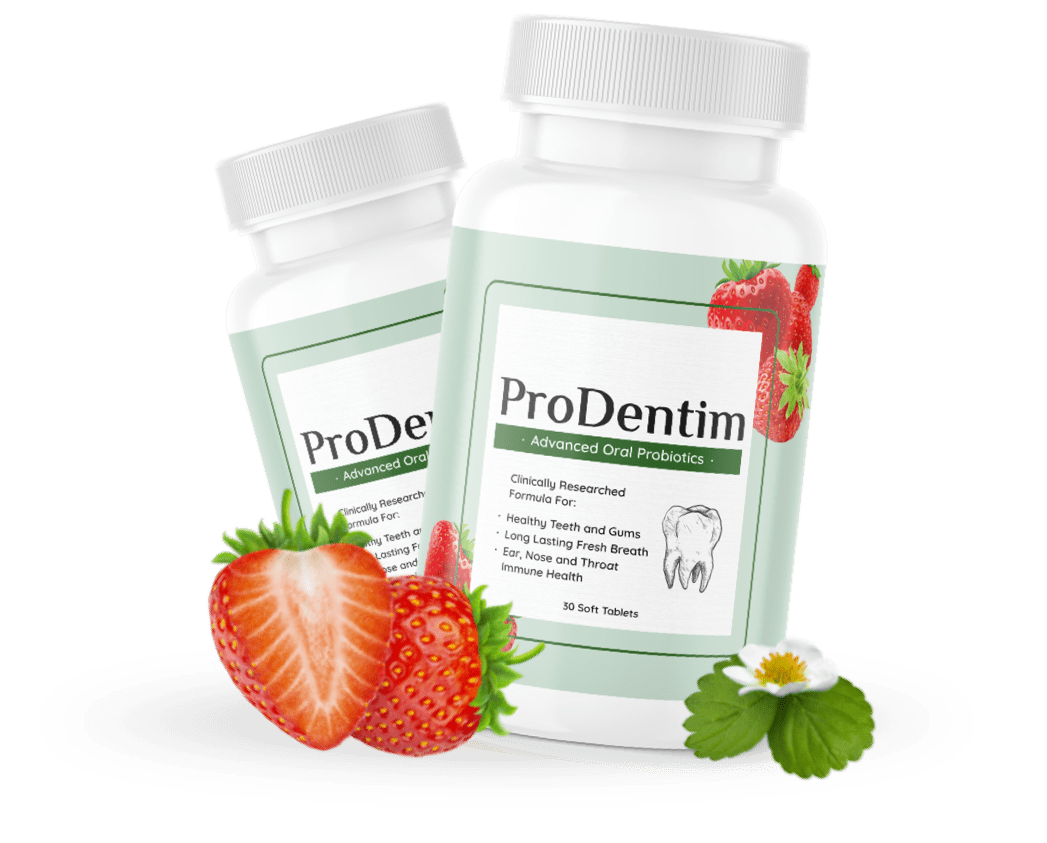 ProDentim
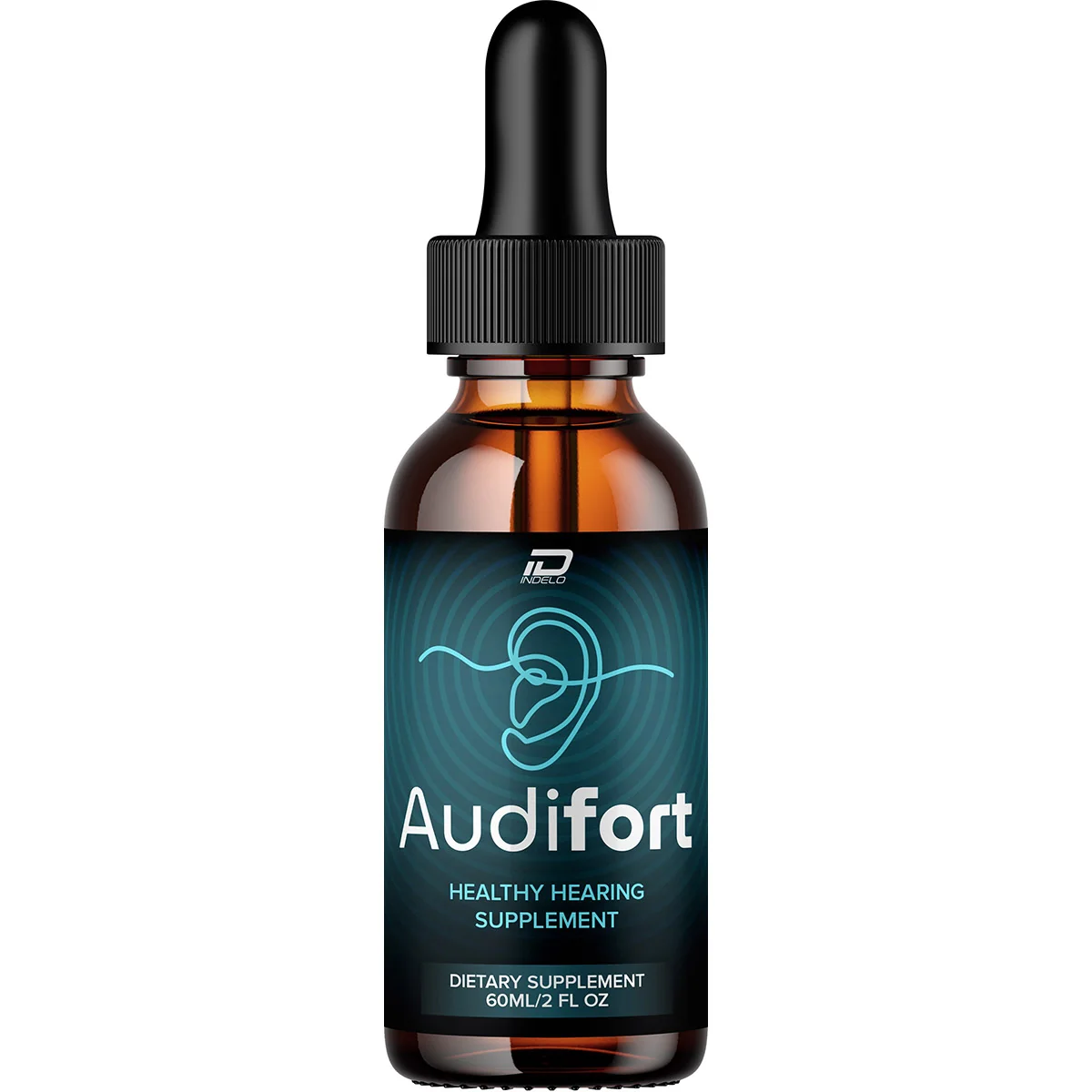 AudiFort
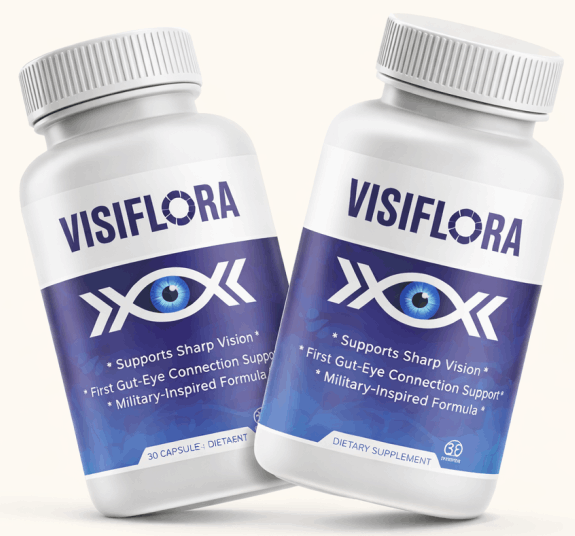 VisiFlora
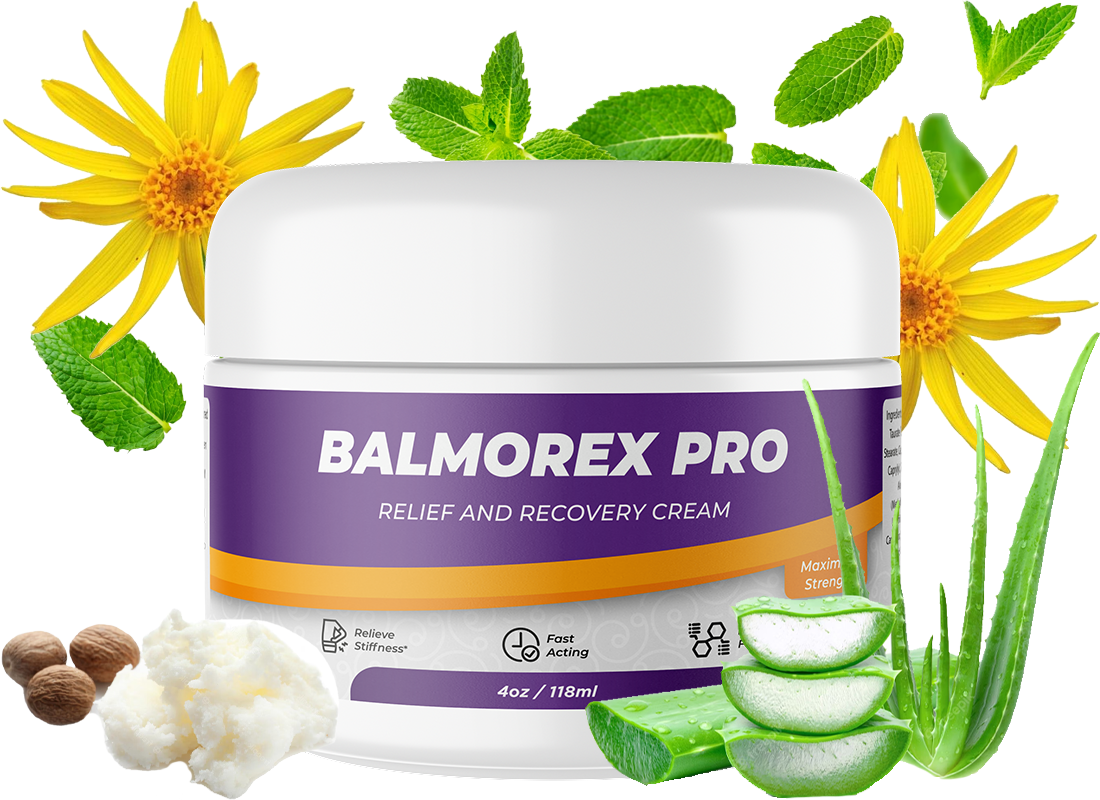 Balmorex Pro
Featured review library
Six In-Depth Product Reviews
Every main review contains 4,000+ words, product visuals, evidence context, safety considerations, pricing checks and affiliate disclosure.
DentiCore Review
Formula, ingredients, safety, pricing and realistic oral-health expectations.
DentaBiome Review
Postbiotic formula, xylitol, microbiome claims, price and guarantee.
ProDentim Review
Probiotic strains, evidence, side effects, complaints and buyer guide.
AudiFort Review
Ingredients, tinnitus and hearing claims, safety and evidence limits.
VisiFlora Review
22-ingredient eye formula, gut-eye claims, pricing and eye safety.
Balmorex Pro Review
27-in-1 topical formula, ingredients, use, price and pain-safety context.
Our review process
Research Before Recommendation.
We verify product facts, separate manufacturer claims from evidence, evaluate practical buyer value and clearly disclose affiliate relationships.
Current label, serving, offer, guarantee and product identity.
Ingredient evidence without turning it into guaranteed product outcomes.
Safety, limitations, price structure, alternatives and buyer fit.
Research & editorial standards
How We Approach Supplement Reviews
The supplement market is crowded with bold promises, complicated labels, unfamiliar ingredient names and pricing structures that can make a simple purchase feel unnecessarily difficult. Supplements Review exists to make that research process easier to follow. Our editorial approach starts with a basic question: what would a careful buyer reasonably want to know before spending money on a product? That usually includes what the product is, who it is marketed to, what is actually listed on the label, how the serving is used, what the manufacturer claims, what the available evidence can reasonably support, what important limitations exist, what the current purchase terms look like and what safety questions deserve attention.
We do not treat a manufacturer sales page as independent proof. A sales page is useful for checking the current formula, package options, directions and the claims a company chooses to make, but those claims still need context. Ingredient research can also be useful, yet research on one isolated ingredient is not automatically proof that a finished multi-ingredient formula will produce the same result. Our guides are designed to keep those categories separate so that readers can distinguish product facts, manufacturer positioning, ingredient-level evidence and editorial interpretation.
This site is an affiliate publication. Some links may earn us a commission if a reader makes a qualifying purchase. That commercial relationship is disclosed because readers deserve to know how a website is funded. An affiliate relationship does not change the standard we aim to apply: current facts should be checked, uncertainty should be stated, and a product should not be presented as a guaranteed solution simply because a commission may be available.
Research & editorial standards
What You Will Find on Supplements-Review.com
The site is organized around several types of content rather than an endless feed of nearly identical product pages. In-depth product reviews examine one formula at a time. Ingredient guides explain why particular compounds appear in supplements and what questions to ask when interpreting research. Comparison pages place two approaches side by side so that readers can understand differences in formulation, serving style, price structure and intended use. Buyer guides cover broader skills such as reading a Supplement Facts panel, recognizing standardized extracts, understanding serving sizes, evaluating guarantees and spotting marketing language that deserves extra scrutiny.
Our first review collection focuses on products such as DentiCore, DentaBiome, ProDentim, AudiFort, VisiFlora and Balmorex Pro. These products do not all belong to the same subcategory, which is exactly why each review will be evaluated on its own terms rather than forced into a generic template. Oral-health products need different buyer questions from hearing-support formulas, and a topical product should not be assessed as though it were a capsule. As the library grows, category pages will help readers navigate to the type of product or ingredient they are researching.
The goal of the homepage is therefore not to declare one supplement the winner. It is to act as the front door to a research library. Readers who already know the product name can go directly to a review. Readers who are still learning can begin with an ingredient or buyer guide. Readers comparing alternatives can use the comparison section. This structure also makes it easier to update individual pages when formulas, prices, guarantees or policies change without pretending that every page was freshly researched when it was not.
Research & editorial standards
Our Review Framework: Product Facts First
A useful review begins with facts that can be checked. We look for the current product name, manufacturer or seller identity, serving format, quantity per container, ingredient list, disclosed ingredient amounts where available, usage directions, warnings, purchase options, refund terms and the official route to purchase. If a detail cannot be verified, it should not quietly become a fact just because another affiliate website repeats it.
Next comes claim separation. Supplement marketing often moves quickly from a real biological concept to a much stronger consumer promise. An ingredient may participate in a normal body process, but that does not automatically mean a capsule can correct a disease related to that process. A botanical may have been studied in a particular population, dose and extract, but that does not prove every formula containing the botanical will reproduce the same outcome. We try to explain these distinctions in plain English because they are central to making a sensible purchase decision.
We also consider practical value. A formula can contain interesting ingredients and still be a poor fit for a particular buyer because of cost, serving complexity, allergies, medication use, expectations or the nature of the symptoms involved. Conversely, a product does not need to be revolutionary to be useful to someone who understands its limitations and has realistic goals. Our reviews are designed to support that kind of decision rather than manufacture certainty where certainty does not exist.
Research & editorial standards
Ingredient Evidence: What It Can and Cannot Tell You
Ingredient research is one of the most useful parts of supplement evaluation, but it is also one of the easiest areas to overstate. A study has a specific design: a particular ingredient or extract, a defined dose, a population, a duration, a comparison group and selected outcomes. If a commercial product uses a different dose, a different extract, a combination formula or a different target audience, the study may provide context without directly proving the commercial product.
We therefore look for details such as standardization, branded ingredients, disclosed amounts and whether the research being cited actually resembles the ingredient used. We also pay attention to evidence quality. A laboratory experiment, animal study, observational study and randomized controlled human trial do not answer the same question. Even multiple human studies can disagree because formulations, participants and methods differ. Readers should be able to see that nuance rather than receive a binary “clinically proven” badge with no explanation.
This approach matters especially for health content. Supplements can sit alongside diet, exercise, sleep and professional care, but they should not be used to turn uncertain symptoms into a self-diagnosis. If a product page makes a strong disease-treatment promise, that promise deserves a higher level of evidence than a general wellness statement. Our content aims to describe evidence without converting it into medical advice.
Research & editorial standards
Safety Is Part of the Buying Decision
Safety information should not be hidden below the purchase button. “Natural” does not mean interaction-free, allergy-free or appropriate for every person. Botanical extracts can contain biologically active compounds. Concentrated ingredients can differ substantially from the amounts encountered in ordinary foods. Multi-ingredient products also create a practical challenge because a buyer may already be using other supplements with overlapping components.
For that reason, our reviews highlight label warnings and common categories of caution when relevant. People who are pregnant or nursing, taking prescription medication, preparing for surgery, managing a diagnosed condition or considering supplements for a child should obtain appropriate professional guidance rather than relying on a generic web review. The same principle applies when symptoms are severe, sudden, persistent or unexplained.
A supplement review also cannot determine whether a particular symptom is caused by the condition a product is marketed around. Ear symptoms, oral symptoms, digestive complaints, joint pain and skin changes can each have many possible causes. Sometimes the most valuable decision is not which supplement to buy but whether a proper evaluation is needed first. A trustworthy buyer guide should leave room for that answer.
Research & editorial standards
How We Think About Price, Bundles and Guarantees
Supplement pricing is often presented as a low “per bottle” figure attached to the largest package. That number can be useful, but it is not the entire purchase decision. A buyer should also look at the total checkout cost, how many days each bottle is intended to last, whether shipping is included, whether taxes or international charges may apply and whether a larger bundle makes sense for a first trial.
Guarantees deserve the same careful reading. A long money-back period can reduce purchase risk, but the headline number does not explain the procedure. Buyers should check the current terms, the deadline, what needs to be returned, how support is contacted and whether shipping costs are refundable. Saving order confirmations and reading the policy before a problem occurs is a simple habit that can prevent frustration later.
Because prices and promotions can change, our product pages will distinguish between information checked at the time of an update and permanent product characteristics. We do not want an old promotional price to remain on a page indefinitely as though it were guaranteed. When a purchase button leads to an affiliate offer, the live checkout should be treated as the final source for the current transaction terms.
Research & editorial standards
Why Comparisons Are More Useful Than a Single Score
A single numerical rating can look authoritative while hiding the questions that actually matter. Two supplements may both be marketed for a similar goal yet use entirely different strategies. One may emphasize a probiotic approach, another plant extracts, another minerals, and another a topical delivery format. Reducing those differences to 4.7 versus 4.5 stars can create more confidence than information.
Our comparison pages are designed around decision factors instead: formula transparency, ingredient strategy, serving format, evidence relevance, safety considerations, purchase terms and the type of buyer each approach may interest. Where we have not personally tested a product, we will not pretend that a laboratory-style performance score came from hands-on testing. That distinction is important for authenticity.
Comparisons also help expose trade-offs. A simpler formula may be easier to understand but less comprehensive. A complex formula may look impressive but make it harder to identify which ingredient caused an unwanted reaction. A larger bundle may have a lower unit cost but require more upfront spending. A topical format may appeal to someone who dislikes capsules while being unsuitable for someone sensitive to a listed topical ingredient. Useful comparison content makes these trade-offs visible.
Research & editorial standards
Reading Supplement Labels More Critically
The Supplement Facts panel is one of the best places to begin. Start with serving size because every listed amount is tied to that serving. Then check how many servings the container provides. A bottle containing sixty capsules is not necessarily a sixty-day supply if the serving is two capsules. This sounds basic, but it changes the true monthly cost.
Look at whether active ingredients have individual amounts or are grouped into a proprietary blend. A proprietary blend may disclose the total weight while withholding the exact amount of each component, which limits the ability to compare the formula with research. For botanical extracts, look for the plant part and any standardization information. An extract standardized to a defined constituent provides different information from a generic plant powder.
Also check “other ingredients.” Capsules, flavoring agents, sweeteners, coloring, fillers and allergens can matter to particular buyers even though they are not the headline actives. Finally, read the warnings. Marketing pages are designed to attract attention; labels are designed to communicate usage and safety information. Both matter, but they serve different purposes.
Research & editorial standards
Red Flags We Avoid in Our Own Content
The easiest way to make an affiliate page look exciting is also the easiest way to destroy trust: invent certainty. We do not want to use fake doctor endorsements, fabricated customer identities, invented laboratory tests, fake news layouts, counterfeit certification badges or countdown timers that reset every time the page reloads. We also avoid claiming that a dietary supplement is guaranteed to cure, reverse or permanently eliminate a medical condition.
Another red flag is manufactured first-hand experience. If a product has not been personally used or tested by the editorial team, the page should not say “we tested it for 90 days” or display staged before-and-after results as proof. Research-based reviews can still be useful, but the methodology needs to be described accurately. Readers can then decide how much weight to give the analysis.
We also avoid copying a vendor page and expanding each sentence with filler simply to reach a target length. A long page is only useful when the extra words answer additional questions, explain evidence, clarify trade-offs or improve navigation. Our longer cornerstone pages are organized into sections so that readers can scan to the information they need instead of being forced through a wall of repetitive text.
Research & editorial standards
Featured Research Areas
Oral-health supplements are one of the first areas in our review library. Products such as DentiCore, DentaBiome and ProDentim use different marketing narratives and ingredient strategies, so our coverage will focus on what each formula actually contains and what a buyer should understand about oral-health claims. Supplements should not replace brushing, interdental cleaning, appropriate fluoride use where recommended, or dental evaluation when symptoms need attention.
AudiFort represents a different category. Hearing and ear-related concerns can be especially sensitive because symptoms such as sudden hearing changes, one-sided symptoms, persistent ringing, dizziness or ear pain may warrant professional assessment. A supplement page must not create the impression that a capsule can diagnose the cause of an auditory symptom. Our AudiFort coverage will therefore separate general supplement information from medical evaluation.
VisiFlora will be treated according to its actual current formula and positioning once the dedicated page is researched, rather than assuming details from the product name alone. Balmorex Pro will be handled as a topical product rather than forced into a capsule-review template. The key principle across all six products is consistency of method with flexibility of format: verify what the product is first, then evaluate it using questions appropriate to that product.
Research & editorial standards
Who This Website Is For
Supplements Review is intended for adults who are already considering a supplement and want a clearer research path before buying. You may have seen an advertisement, watched a long video sales letter, received a recommendation or encountered a product in search results. Instead of immediately moving from curiosity to checkout, our pages are designed to help you pause long enough to understand the offer.
The site is also useful for readers comparing ingredient categories. Someone researching joint support may want to understand Boswellia or hyaluronic acid before choosing a branded formula. Someone looking at oral-health products may want to understand the difference between probiotic and postbiotic terminology. Someone who frequently buys supplements may simply want a better system for reading labels and comparing package economics.
It is not intended to replace a doctor, pharmacist, dentist, audiologist, dietitian or other qualified professional. Educational content can make a consumer more informed, but it cannot examine you, review your complete history or diagnose the reason for a symptom. That boundary is especially important on a website that earns affiliate commissions.
Research & editorial standards
How to Use Our Reviews Efficiently
If you already know the product you are researching, start with the dedicated review and use the table of contents to jump to ingredients, safety, pricing or the final assessment. If you are unfamiliar with a key ingredient, follow the internal link to the ingredient guide and then return to the product review. This creates a more useful path than repeating the same ingredient explanation on every product page.
If you are deciding between two products, begin with the comparison page. A good comparison should quickly show whether the products are truly alternatives or simply share a broad marketing category. From there, open the individual reviews for the details that matter most to you. If price is your main concern, compare total package cost rather than only the advertised per-bottle figure. If medication use is relevant, prioritize the ingredient and safety sections before the sales offer.
Finally, use the date and source information as context. Supplement formulas and checkout terms can change. A page updated recently is more useful only if the underlying information was actually rechecked. We aim to update material facts rather than changing dates cosmetically. When in doubt, the current label and live official purchase terms should take precedence over an older review.
Research & editorial standards
Editorial Independence and Affiliate Disclosure
Affiliate publishing creates an obvious potential conflict: a website may earn money when a reader buys a product it discusses. Pretending that conflict does not exist is less trustworthy than explaining it. Some outbound product links on Supplements Review are affiliate links. If you purchase through one of those links, we may receive a commission, generally without changing the price you pay.
A commission does not purchase a positive verdict. Our content framework includes limitations, safety considerations, alternatives and reasons a product may not be appropriate. We also intend to qualify commercial outbound links appropriately so that the relationship is clear to search engines as well as readers. The disclosure should be visible rather than buried in an obscure legal page.
Editorial independence also means we should be willing to update or correct a page. If a formula changes, a guarantee changes, a claim is no longer supported or a factual error is identified, the useful response is to correct the content. Long-term trust is more valuable than preserving a flattering statement that is no longer accurate.
Research & editorial standards
A Note About Search Rankings and Word Count
This website is being built with search discoverability in mind, but search optimization should make useful information easier to find rather than turn pages into keyword containers. Descriptive titles, clean URLs, internal links, crawlable navigation, canonical URLs, structured data and XML sitemaps can help search engines understand the site. They do not guarantee a ranking.
Likewise, there is no magic word count that Google requires. Some questions deserve a short answer; some product reviews require substantial depth. Our cornerstone pages are intentionally comprehensive, but length is treated as a floor for coverage in this project rather than evidence of quality by itself. Repeating the product name dozens of times or padding sections with generic wellness advice would make a page longer without making it better.
The more important standard is whether a reader can finish a page with a clearer understanding of the decision. That means original organization, accurate sourcing, meaningful comparisons, transparent methodology, readable design and a willingness to say when evidence is uncertain. Those qualities also align better with sustainable search visibility than trying to manufacture a page around a keyword density formula.
Research & editorial standards
What Comes Next
The first phase of Supplements-Review.com will build six detailed product review pages for DentiCore, DentaBiome, ProDentim, AudiFort, VisiFlora and Balmorex Pro. Each review will have its own search intent, self-referencing canonical URL, metadata, internal links and product-specific research. Supporting ingredient and comparison pages will then connect related topics so that readers can move naturally between education and product evaluation.
As the site grows, the homepage will remain a navigation and editorial hub rather than becoming an endless list of affiliate buttons. New content will be grouped into clear categories, and the XML sitemap will be updated only when a real indexable page is published. This avoids advertising URLs to crawlers before useful content exists.
For readers, the promise is simple: research first, purchase second. A supplement may turn out to be interesting, unsuitable, overpriced, reasonably formulated or simply difficult to judge from the available evidence. Any of those conclusions is more useful than beginning with the assumption that every product must be recommended.
Practical buyer education
Questions Worth Asking Before You Buy Any Supplement
Before buying, ask what specific goal you are trying to address and how you will know whether the product is providing value. A vague goal such as “better health” is difficult to evaluate. A more concrete question—whether a product is convenient to take, fits your budget, contains ingredients you intentionally want to try, and can be used safely alongside your existing routine—creates a clearer decision. If you are purchasing because of a symptom, also ask whether that symptom has been properly understood. A supplement should not become a shortcut around necessary evaluation.
Ask whether the label gives enough information to compare the formula with the claims being made. Are ingredient amounts disclosed? Is the serving size practical? Are branded or standardized ingredients identified clearly? Does the marketing cite research on the same ingredient form and dose, or does it rely on broad statements about a nutrient that may not match the finished formula? These questions are more informative than the number of badges placed beside a checkout button.
Ask what happens if the product does not meet your expectations. Check the refund window, return procedure, support route and total amount at risk. A generous guarantee can be useful, but it should not be used as a reason to ignore whether the product makes sense in the first place. Likewise, a discount is not automatically savings if it persuades you to purchase several months of something you have never tried.
Finally, ask what information would change your mind. Good research should make it possible to decide not to buy. If every section of a review leads inevitably to the same purchase button regardless of evidence, price, safety or individual circumstances, the page is functioning more like an advertisement than a buyer guide. Our aim is to make the commercial relationship visible while still giving readers enough context to make their own decision.
Site quality
How We Plan to Keep the Library Useful Over Time
Publishing a review is not the end of the job. Supplement offers can change: labels may be revised, package quantities may change, a promotion may expire, a guarantee may be updated, or a seller may change the way an offer is presented. We plan to revisit material product facts rather than treating a page as permanently accurate because it once matched an official page. When an update is meaningful, the content should explain the current information instead of merely changing the date in the headline.
Internal links will also be maintained as the library expands. Ingredient explanations that are useful across several products can live in dedicated guides, while individual reviews can focus on how those ingredients relate to the specific formula. Comparison pages can connect products that genuinely serve a similar shopping intent. This avoids duplicating thousands of words across the site and gives readers a clearer path to deeper information.
Technical maintenance matters too. Published pages should be crawlable, return a successful status code, use self-referencing canonical URLs where appropriate, appear in the XML sitemap only when they are genuinely live, and remain usable on mobile devices. Affiliate links should be identified as commercial links. Structured data can help describe a page, but it should reflect visible content rather than manufacture ratings or facts that users cannot see.
Most importantly, the library should remain focused. Supplements Review is not intended to become a general news site that publishes unrelated topics simply because they receive search traffic. A clear subject area makes navigation more useful for readers and gives the editorial process a consistent purpose: helping people understand supplements, ingredients, comparisons and purchase decisions with more context and less hype.